Unleash Next-Gen Synth Music: PSS 30 vs REV2 vs Serum Synth – The Ultimate Gear Showdown for Innovative Producers
Introduction
Choosing a synth can feel oddly high-stakes, even when the tools on your shortlist are wildly different. One minute you want something inspiring and immediate, and the next you are comparing analog voice counts, wavetable editors, menu systems, portability, plugin recall, and whether you really want another device taking over your desk. If you are deciding between the PSS 30, REV2, and Serum Synth, the best approach is not to ask which one is universally better. It is to ask which one actually supports the way you write, produce, and finish music.
That matters because these three instruments live in separate lanes. The PSS 30 is small, simple, and full of accidental charm. The REV2 is a serious analog polysynth with enough depth to reward years of use. Serum Synth is a modern software mainstay, prized for visual editing, precise control, and broad sound design range. Comparing them side by side sounds strange at first, but it is useful precisely because many producers bounce between these categories when trying to build a setup that feels both creative and practical.
There is also a deeper truth here: buying synths is rarely just about sound. Workflow, friction, physical space, learning curve, budget, and even your tolerance for troubleshooting all shape whether an instrument becomes a favorite or gathers dust. A hardware synth can sound fantastic and still be the wrong purchase if you only make music on a laptop while traveling. A plugin can be unbelievably capable and still fail to inspire if you crave tactile control. And a tiny low-fi keyboard can become a secret weapon if your music benefits from texture more than technical perfection.
This guide keeps the hype level low and the real-world perspective high. We will look at how each option feels in use, where the strengths truly are, where the compromises show up, and what kind of producer is most likely to benefit. If you want a clear answer without the usual gear-forum drama, you are in the right place.
Key Features & Benefits
PSS 30: compact inspiration with imperfect personality
The PSS 30 is the least sophisticated instrument here, but that is not the same thing as least useful. In fact, its appeal comes from the opposite direction. It is quick, lightweight, and unpretentious. You switch it on, play a few notes, and immediately hear something. That lack of friction can be more creatively valuable than endless options. For sketching melodies, grabbing oddball textures, or sampling simple tones into a DAW, the PSS 30 can become surprisingly productive because it never asks for much setup time or mental overhead.
- Compact design that fits easily into small studios or travel setups
- Simple controls that encourage instant play instead of menu diving
- Lo-fi tone that can add character when cleaner instruments feel too polished
- Useful as a sketchpad for melodies, hooks, and chord ideas
- Affordable, low-pressure entry point for experimentation
Usage tip: Record short one-note samples from the PSS 30, then pitch and process them inside your DAW to turn its limitations into a custom texture bank.

REV2: analog depth for players who want control
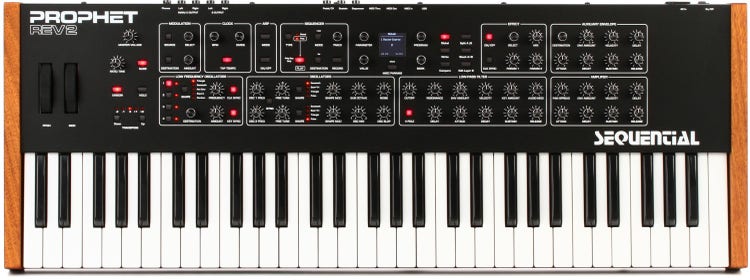
The REV2 is the heavyweight of this comparison, and it earns that status through depth rather than novelty. It is an analog polysynth built for people who want to shape sounds with intention. Pads can evolve, basses can carry authority, leads can cut through, and modulation can add motion without everything feeling artificial. It offers a balance many hardware users want: enough character to feel alive, enough structure to stay usable in real productions, and enough programming depth to grow with you rather than box you in after a few months.
- Analog polyphonic voice architecture with strong musical presence
- Deep modulation options for expressive and evolving patches
- Sub oscillator support that adds body to basses and leads
- Wave shaping tools that expand tonal range beyond basic analog colors
- Tactile workflow that favors hands-on exploration and performance
Usage tip: Start with a simple analog patch and add only one or two modulation routings at a time; the REV2 gets powerful fast, and restraint often produces the most playable results.
Serum Synth: precise digital power with a fast visual workflow
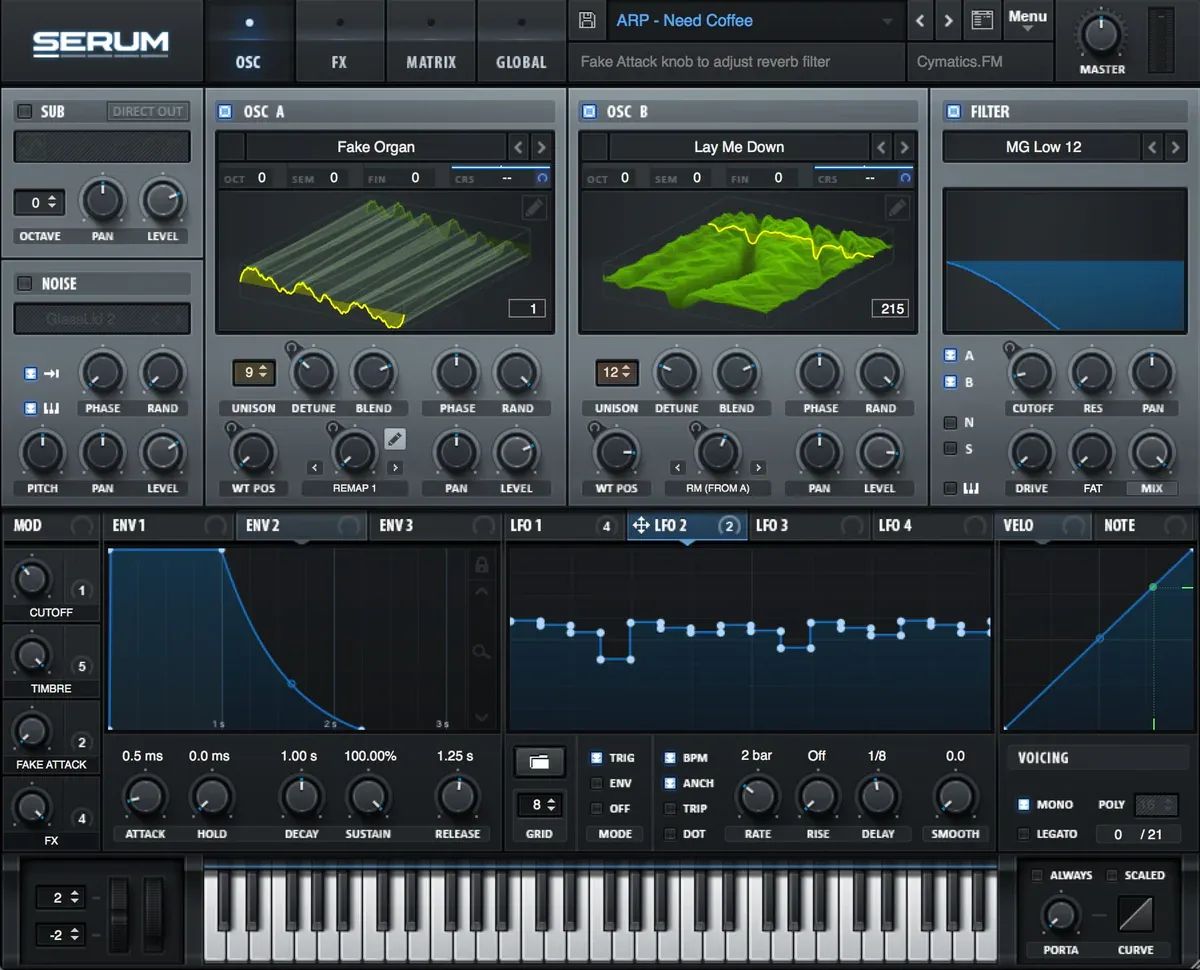
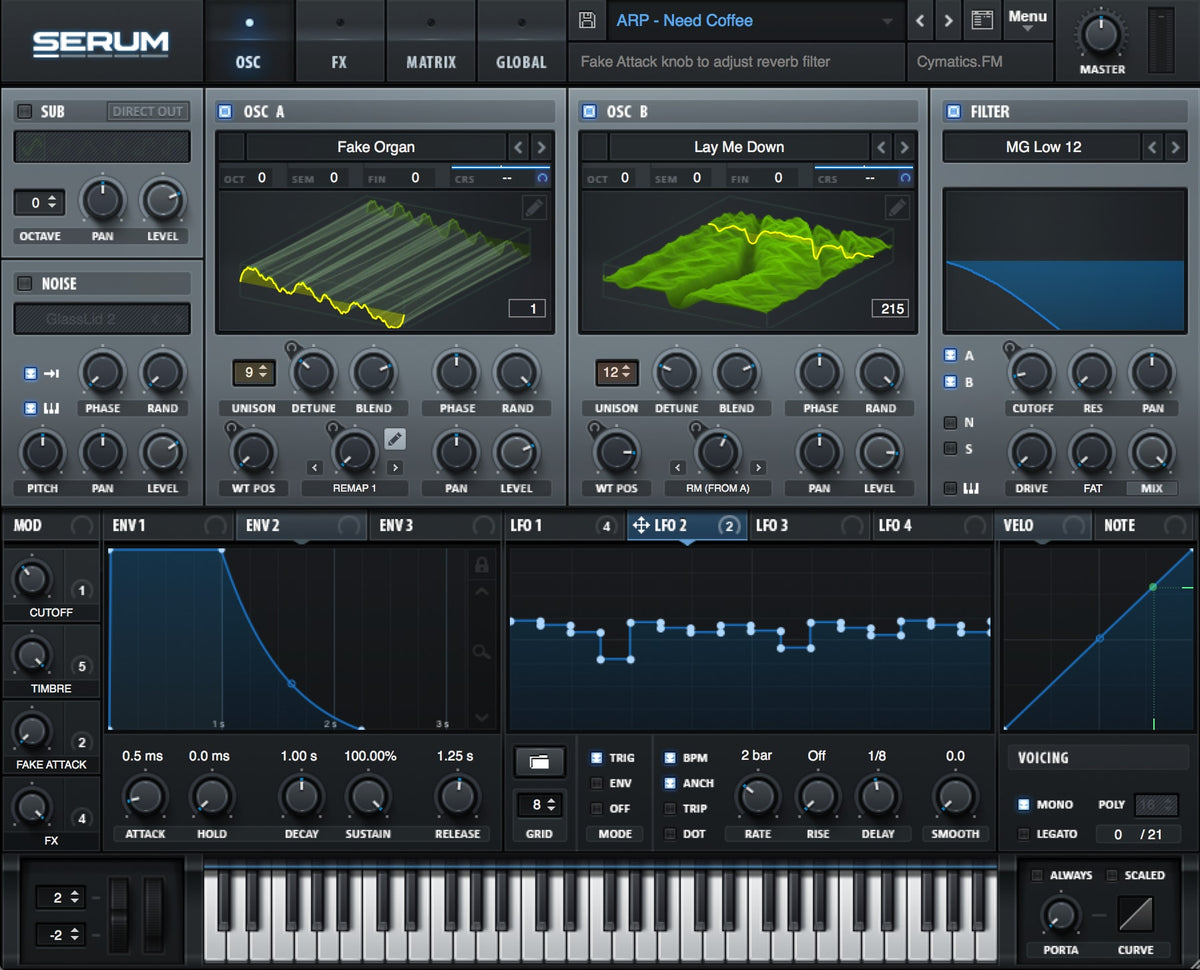
Serum Synth remains one of the most recommended software synths because it solves a common problem elegantly: it gives you serious depth without making editing feel obscure. The interface is visual, the wavetable approach is flexible, and key parameters like oscillator phase, unison, and modulation are easy to understand once you spend a little time with it. That makes it suitable both for producers who like loading presets and for those who want to build patches from scratch. It feels modern in the best sense, not because it is flashy, but because it reduces guesswork.
- Wavetable engine suited to modern basses, leads, pads, and effects
- Clear visual interface that speeds up learning and editing
- Detailed control over phase, tuning, and stereo spread
- Strong modulation system for movement and complexity
- Reliable fit for in-the-box workflows with easy project recall
Usage tip: When designing sounds in Serum Synth, build the core tone first with minimal effects; once the oscillator and filter work is solid, the patch will survive better in a mix.
How these strengths translate into real sessions
Features only matter if they solve actual workflow problems, and that is where these instruments separate clearly. The PSS 30 is best when you want ideas quickly and do not want technology getting in the way. The REV2 shines when a patch needs to feel performed, shaped, and physically interacted with over time. Serum Synth excels when you need range, precision, and easy recall across multiple projects. None of those benefits cancel the others out; they point to different priorities. The smart purchase is the one that matches the bottleneck in your process, not the one that wins the most internet arguments.
- The PSS 30 reduces friction and encourages spontaneous writing
- The REV2 supports nuanced patch design and live manipulation
- Serum Synth speeds detailed editing inside a DAW-based setup
- Each tool favors a different relationship between speed and depth
- The best value depends more on workflow than on raw specifications
Usage tip: Before buying, identify whether your main need is inspiration, hands-on control, or maximum flexibility; that answer usually points to the right instrument faster than any spec sheet.
Comparison vs. Alternatives — best synth choice for modern producers
Direct comparison can be tricky because these are not one-for-one substitutes, but a table makes the practical differences easier to spot. To keep things grounded, the alternatives below reflect realistic cross-shopping: a classic low-cost Casio for the quirky compact lane, the Prophet '08 for legacy analog comparison, and Vital for software wavetable competition.
| PSS 30 | REV2 | Casio SA-46 | Vital |
|---|---|---|---|
| Ultra-portable mini keyboard with immediate playability | Analog polysynth with deep hands-on programming | Compact beginner keyboard with toy-like accessibility | Software wavetable synth with flexible modulation |
| Best for sketching, sampling, and lo-fi texture | Best for pads, leads, live control, and studio centerpiece use | Best for casual portability and basic melody writing | Best for in-the-box producers seeking a Serum-style alternative |
| Strength: charming imperfection and speed | Strength: rich tone plus modulation depth | Strength: affordability and simplicity | Strength: value, visuals, and broad digital range |
| Limitation: very limited synthesis depth | Limitation: cost, size, and learning curve | Limitation: even less distinctive for serious production use | Limitation: still lacks hardware tactility and analog behavior |
If your workflow is almost entirely inside a computer, Serum Synth or a competitor like Vital will usually give you the broadest value for the money. If you want a hardware centerpiece that rewards practice and sound design discipline, the REV2 is in another class. If you simply want a cheap, immediate source of odd textures and fast ideas, the PSS 30 remains interesting because it does not pretend to be anything grander.
It also helps to compare by personality rather than just features. The PSS 30 is spontaneous. The REV2 is intentional. Serum Synth is adaptable. Spontaneity is great when you are stuck and need a spark. Intention matters when you are building signature sounds. Adaptability matters when deadlines require fast results across genres. Thinking this way is often more useful than asking which one has the most impressive spec list.
Pros & Cons
PSS 30
The PSS 30 works best when treated as a creative tool rather than a comprehensive production solution. Its virtues are accessibility, speed, and a scrappy sonic identity that can become musically useful in the right context.
Pros
- Extremely easy to start using with no steep learning curve
- Portable enough for casual writing sessions anywhere
- Low-fi sound can provide unique sampled textures
- Good for quick melody capture and playful experimentation
- Usually inexpensive compared with serious synth hardware
Cons
- Limited synthesis and sound-shaping depth
- Key feel and overall build are not aimed at professional performance
- Sound quality may feel too rough for polished productions on its own
- Not suitable as a primary all-purpose synth for most producers
- Can be mistaken for a toy unless you use it creatively
REV2
The REV2 is for producers and players who want a serious instrument that can become part of their musical identity. It rewards time, but it also asks for commitment in budget, space, and learning.
Pros
- Rich analog sound with strong presence in finished mixes
- Excellent modulation system for animated, expressive patches
- Hands-on control supports performance and deeper engagement
- Sub oscillator and wave shaping add flexibility beyond basic analog tones
- Suitable as a long-term centerpiece in a hardware-oriented studio
Cons
- Significantly more expensive than software options
- Takes time to learn if you are new to deeper synthesis
- Requires physical space and maintenance expectations of hardware
- Patch recall is less frictionless than plugin-based workflows
- May be overkill if you mainly rely on presets and quick production
Serum Synth
Serum Synth is arguably the most practical choice for many modern producers because it fits neatly into existing DAW setups, offers broad range, and makes complex editing unusually approachable.
Pros
- Very versatile across electronic, pop, cinematic, and hybrid genres
- Visual interface makes learning and editing faster
- Excellent oscillator control for repeatable, precise sound design
- Easy project recall and automation inside a computer workflow
- Strong ecosystem of presets, tutorials, and user support
Cons
- Requires a computer and can add to screen fatigue
- Lacks the tactile immediacy of dedicated hardware
- Clean digital tone will not satisfy every analog-focused user
- Deep options can still overwhelm absolute beginners
- Easy to overdesign sounds that seem exciting alone but crowd a mix
Conclusion
The simplest way to frame this choice is to match each instrument to the kind of momentum it creates. The PSS 30 creates momentum through ease. The REV2 creates momentum through tactile engagement and sonic depth. Serum Synth creates momentum through flexibility and speed inside a DAW. Once you see that, the decision becomes much less confusing.
If you want quirky texture, portable playability, and a no-pressure way to catch ideas, choose the PSS 30. If you want a real hardware synth that can anchor a studio and reward deeper programming, choose the REV2. If you want broad modern synthesis power with easy recall and visual editing, choose Serum Synth. None of them is the universal winner, because they solve different creative problems. The best buy is the one that removes friction from your actual process and makes you want to make more music tomorrow than you made yesterday.
FAQs
Is the PSS 30 a real option for serious producers?
Yes, but mainly as a color instrument, sketchpad, or sampling source. Serious producers often use limited gear creatively, and the PSS 30 can be valuable when its imperfections serve the track.
Who should buy the REV2 instead of using plugins?
Buy the REV2 if you want tactile control, analog response, and a dedicated hardware workflow that encourages performance and patch-building. If convenience and low cost matter more, plugins may cover your needs better.
Why do so many producers still recommend Serum Synth?
Serum Synth stays popular because it combines deep sound design, a clear interface, reliable DAW integration, and a sound that fits modern production styles without much friction.
Is Serum Synth easier to learn than the REV2?
For many users, yes. The visual interface in Serum Synth makes signal flow and modulation easier to understand quickly, while the REV2 rewards hands-on study over a longer period.
Can the REV2 replace Serum Synth completely?
Not completely. The REV2 can cover many core synthesis roles beautifully, but Serum Synth offers different digital textures, faster recall, and a broader wavetable-oriented workflow.
What is the best choice for a beginner on a tight budget?
If the goal is pure affordability and instant fun, the PSS 30 is the least intimidating place to start. If you already own a capable computer, a software option like Serum Synth may offer better long-term value.
Does the PSS 30 have any advantage over more advanced gear?
Yes: speed, portability, and character. Advanced gear often does more, but the PSS 30 can still win when you want immediate results and unusual low-fi texture without overthinking.
Are there good alternatives to Serum Synth?
Yes. Vital and Pigments are strong software alternatives, especially if you want modern modulation, visual workflows, and a different pricing or interface approach.