Elevate Your Live Sets: DJ MAX Controller vs. Pioneer XDJ-400 and the Game-Changing Pro-Grade DJ Crossfader for Unrivaled Mix Precision
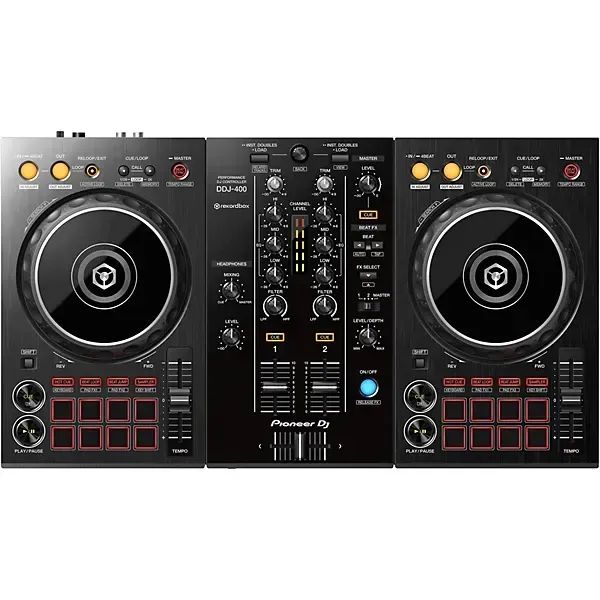
Introduction
If your mixes keep sounding a little rough around the edges, you are not alone. A lot of DJs hit the same wall: the timing is mostly fine, the track choice is good, but the transition itself still feels slightly clumsy. That usually leads to the same questions. Is the controller the problem? Is the crossfader holding you back? And if you are comparing the DJ MAX Controller with the Pioneer XDJ-400 style workflow, does a Pro-Grade DJ Crossfader really change anything in real use?
The short answer is yes, but not in the simplistic “expensive gear fixes everything” way. Your controller affects how quickly you learn and how naturally your hands move around the deck. Your crossfader affects how smoothly you can blend, cut, or recover from small mistakes. Put together, those two things influence confidence more than many beginners expect. Good gear does not create skill on its own, but it can remove unnecessary resistance and help your practice sessions feel productive instead of frustrating.
There is also a practical reason this comparison matters. Many newer DJs start with affordable all-in-one gear, then discover that not all layouts are equally intuitive and not all stock faders feel equally precise. Some setups make it easy to practice phrasing, cueing, and EQ transitions. Others work well enough on paper but feel awkward once you start moving quickly. That is where the conversation around the DJ MAX Controller, the Pioneer XDJ-400 style experience, and the value of a Pro-Grade DJ Crossfader becomes useful instead of theoretical.
This guide is built for the DJ who wants cleaner mixes, more control, and a better sense of what actually matters before buying or upgrading. Instead of treating every feature like a miracle, we will focus on workflow, learning curve, tactile feel, and live usefulness. Those are the things that shape your sessions over time. If you end this article with a clear idea of which setup better suits your style, then it has done its job.
Key Features & Benefits
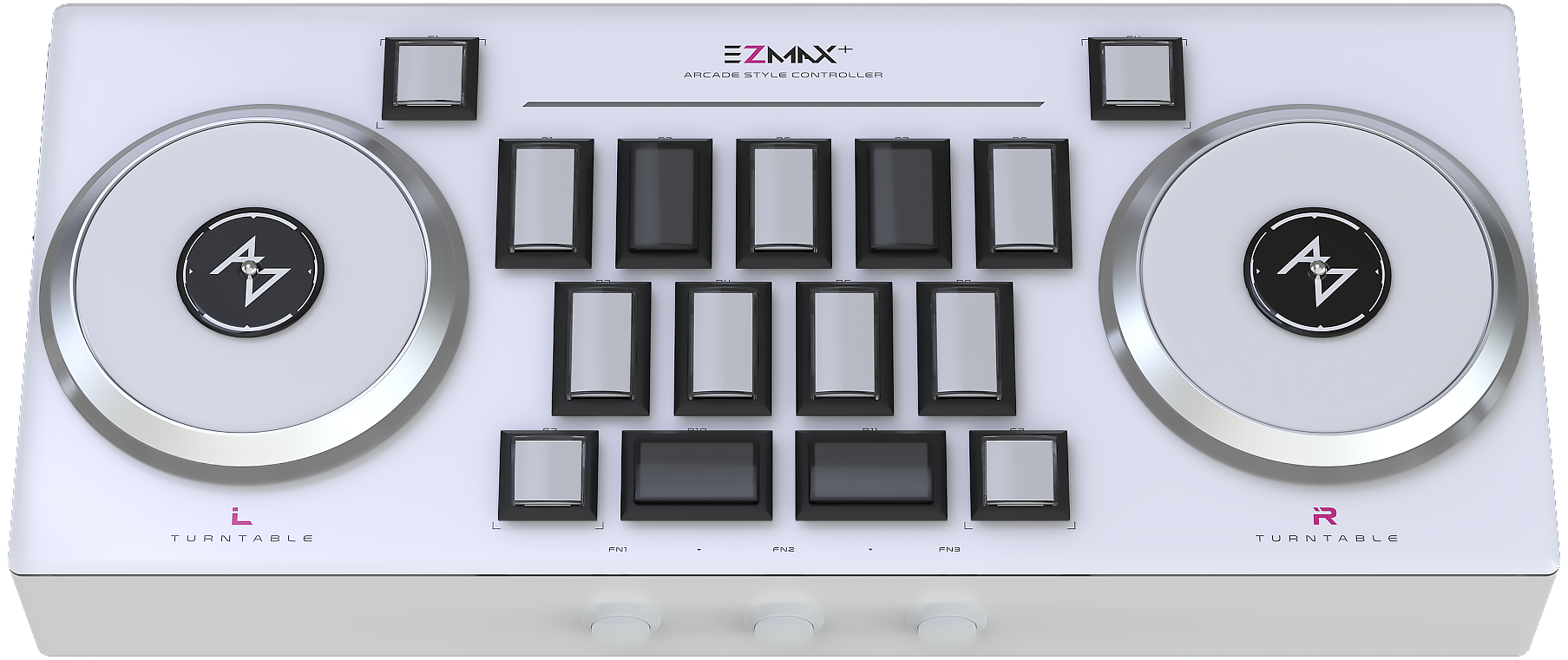
DJ MAX Controller: accessible layout, faster learning
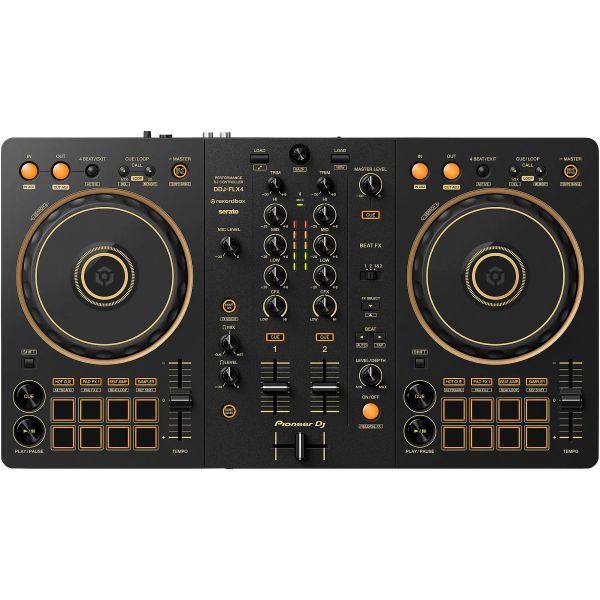
The DJ MAX Controller category appeals to people who want a practical controller that feels complete without being overwhelming. That balance matters, because a beginner does not need a wall of controls just to learn how to beatmatch, phrase a transition, and manage EQ. A good layout lets you build muscle memory early. Instead of hunting for buttons, you spend more time listening to phrasing, timing, and how one track hands over to the next. That is what improves your mixes in the long run, and it is why approachable controllers often beat more complicated gear for newer users.
- Clear deck sections that make navigation easier
- Responsive jog wheels for cueing and nudging
- Basic EQ, looping, and hot cue controls within easy reach
- Compact design for bedroom practice or small gigs
- Less intimidating workflow for total beginners
Usage tip: Spend your first weeks practicing volume and EQ transitions before relying heavily on effects, because clean fundamentals make every later technique easier.
Pioneer XDJ-400 style workflow: familiar habits that transfer well
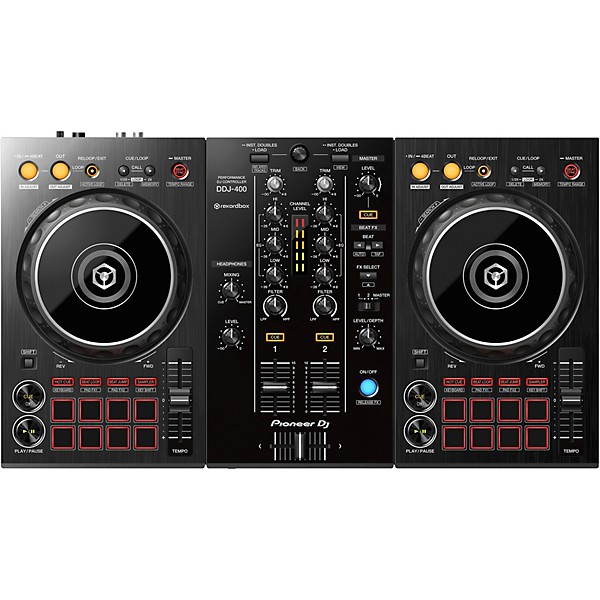
When people search for the Pioneer XDJ-400, they are often really chasing the entry-level Pioneer-style workflow associated with beginner-friendly controllers that resemble larger club gear. That familiarity is valuable. Learning on a layout that mirrors the broader Pioneer ecosystem can reduce the shock of moving from home practice to venue equipment. Cue buttons, looping controls, and mixer sections feel where you expect them to be, which means less relearning later. For many DJs, that continuity alone makes the Pioneer-style approach attractive even when other controllers offer similar headline features.
- Recognizable two-channel format for focused practice
- Layout that resembles more advanced Pioneer gear
- Strong compatibility with modern cue and loop workflows
- Portable design that suits home and mobile use
- Good bridge from beginner skills to more serious setups
Usage tip: Set hot cues at intros, vocal starts, drops, and safe exit points so you learn to control energy rather than just react to it.
Pro-Grade DJ Crossfader: small component, major feel upgrade
The Pro-Grade DJ Crossfader is one of the most underestimated upgrades in DJ gear. Many people assume it only matters for scratching, then realize during actual use that fader feel influences almost everything: quick blends, genre jumps, emergency corrections, and general confidence. A smooth, predictable crossfader helps your hand movements feel intentional rather than stiff. That can reduce fatigue during long sessions and make your transitions sound cleaner simply because the hardware responds the way you expect. It is not glamourous, but it is one of the most direct ways to improve control.
- Smoother cuts and blends between tracks
- More precise movement during fast transitions
- Better response for scratch practice and quick-switch styles
- Reduced hand strain over longer sessions
- More consistent feel when practicing repeatedly
Usage tip: If your mixer or software allows it, experiment with the crossfader curve so you can match the response to your style rather than forcing your hands to adapt.
Controller and crossfader synergy: why the full setup matters
Looking at controllers and faders separately is useful, but real improvement usually comes from how they work together. A sensible controller layout gives you reliable access to the controls you use most. A refined fader gives you confidence when making the move that the audience actually hears. Together, they help your performance feel less mechanical and more musical. A beginner notices fewer messy transitions. An open-format DJ notices cleaner jumps between genres. A scratch learner notices instantly whether the setup supports precision or fights against it. In other words, the best setup is the one that disappears beneath your hands.
- Cleaner basic transitions for newer DJs
- Faster control during high-energy genre changes
- Better timing confidence under pressure
- More natural connection between hand movement and sound
- Less frustration during repeated practice sessions
Usage tip: Practice the same transition on several tracks in a row so you can feel whether the hardware supports consistency instead of judging it from one lucky mix.
Comparison vs. Alternatives — beginner DJ workflow
If you are deciding between a DJ MAX Controller, a Pioneer XDJ-400 style unit, and other beginner-friendly options, compare them by workflow, transferability, and fader feel rather than by feature count alone. More buttons do not automatically mean better mixing. What matters is whether the gear helps you learn the right habits and execute them cleanly when it counts.
| DJ MAX Controller | Pioneer XDJ-400 | Hercules Inpulse 300 | Numark Mixtrack Platinum FX |
|---|---|---|---|
| Accessible all-rounder for newer DJs who want straightforward controls | Familiar Pioneer-style workflow that prepares users for club-oriented layouts | Learning-focused design with beginner aids and friendly software support | Value-heavy option with larger controls and good feature density for the price |
| Best for home practice, first gigs, and skill-building without clutter | Best for DJs who want a recognizable path into broader Pioneer habits | Best for total beginners who want guidance while learning basics | Best for budget-conscious users who still want performance-style controls |
| Strength lies in simplicity, balanced layout, and low learning friction | Strength lies in transfer-friendly layout and familiar cue/loop placement | Strength lies in coaching-style features and approachable setup | Strength lies in strong value and controls that feel generous for the cost |
| Potential drawback is variation in build feel between models | Potential drawback is a more limited format compared with larger controllers | Potential drawback is less club-style familiarity at higher levels | Potential drawback is less direct resemblance to Pioneer-standard workflows |
The practical takeaway is simple. If you want the easiest route into a familiar DJ ecosystem, the Pioneer XDJ-400 style path makes sense. If you want a straightforward controller that teaches the basics without distraction, the DJ MAX Controller can be a strong fit. If budget is tight, the Hercules and Numark alternatives remain credible choices, though they serve slightly different priorities. And if fader feel is especially important to you, a Pro-Grade DJ Crossfader or a controller with a smoother stock fader should move higher on your list than marketing buzzwords.

Pros & Cons
DJ MAX Controller
- Easy to learn without feeling too stripped down
- Usually offers the core controls needed for real mixing practice
- Good for building confidence at home and in small events
- Build quality and software depth can vary by model
- Some versions may feel less premium during fast performance work
- Long-term expansion can be limited for ambitious DJs
Pioneer XDJ-400
- Familiar layout helps skills transfer to broader Pioneer-style gear
- Focused two-channel design keeps beginners from overcomplicating things
- Strong appeal for DJs who value workflow over gimmicks
- Smaller format may feel restrictive once your sets become more complex
- Search naming can create confusion with other Pioneer products
- Price can be higher than some beginner alternatives with similar basics
Pro-Grade DJ Crossfader
- Improves precision, comfort, and consistency during transitions
- Useful not only for scratching but also for general blending
- Can make an average setup feel much more refined in practice
- May add cost without seeming flashy on a spec sheet
- Benefits are tactile, so they are easy to underestimate before use
- Not every controller allows meaningful fader customization or upgrade paths
Conclusion
If your mixes feel rough even though your music selection is solid, the problem may be less about taste and more about control. A well-designed DJ MAX Controller helps you learn the basics quickly and practice with less confusion. A Pioneer XDJ-400 style workflow gives you a familiar structure that many DJs find easy to grow into. And a Pro-Grade DJ Crossfader can make a surprising difference by improving the part of the setup your audience hears most directly: the transition itself.
The best choice depends on what you value. If you need a practical learning platform, go with the controller that feels clear and approachable. If you want a workflow that maps well to larger Pioneer-oriented systems, lean toward the Pioneer-style option. If your mixes already work but do not feel smooth enough, prioritize fader quality sooner than you might think. Fancy features are fun, but reliable hands-on control is what turns decent sets into polished ones.
In the end, better gear does not replace practice. What it does is remove friction, support better habits, and help you trust your movements when the pressure rises. That is why this comparison matters. The right setup will not make you a great DJ overnight, but it can absolutely make the road there cleaner, faster, and much less frustrating.
FAQs
Is the DJ MAX Controller good for beginners?
Yes. The DJ MAX Controller works well for beginners because it usually focuses on the controls that matter most: jog wheels, EQ, cueing, looping, and a manageable mixer section. That makes it easier to learn core skills without getting distracted by features you are not ready to use.
Is the Pioneer XDJ-400 suitable for intermediate DJs too?
Yes. The Pioneer XDJ-400 style workflow can still suit intermediate DJs, especially those who want a portable two-channel setup with habits that transfer well to larger Pioneer-style systems. It remains useful as long as your performance style does not demand more channels or deeper live remix tools.
What does a Pro-Grade DJ Crossfader actually improve?
A Pro-Grade DJ Crossfader improves tactile precision. That means smoother cuts, more predictable blending, better comfort, and quicker recovery when you need to correct a transition on the fly. Even if you do not scratch, that extra control can be very noticeable.
Do I need a Pro-Grade DJ Crossfader if I mostly blend tracks?
Not always, but it can still be worth it. Blending-focused DJs benefit from a smoother fader because it reduces resistance and helps movements feel more controlled. That matters during long sessions, subtle fades, and any moment when you need the mix to sound natural rather than abrupt.
How should I choose between DJ MAX Controller and Pioneer XDJ-400?
Choose the DJ MAX Controller if you want a practical, straightforward learning tool with core features and a low-friction workflow. Choose the Pioneer XDJ-400 style option if you care strongly about familiar Pioneer-style layout and want a setup that better prepares you for similar gear later.
Are Hercules and Numark realistic alternatives?
Absolutely. Hercules controllers are especially appealing for complete beginners because they often include learning-friendly tools. Numark controllers are appealing for shoppers who want strong value and more performance-style hardware for the money. The best choice depends on whether you prioritize guidance, layout familiarity, or feature value.
Does better gear instantly make you a better DJ?
No. Better gear does not replace timing, track knowledge, or practice. What it does is remove awkwardness, improve consistency, and make it easier to build good habits. In that sense, better gear can accelerate improvement, but it cannot do the work for you.